

Sensory Regulation Tips Every Parent Can Use
Parent Tips for Sensory Regulation at Home
1. Follow a Simple Sensory Routine
Children often do better when their day has a rhythm.
Morning can include movement activities such as jumping, climbing, animal walks, or swinging.
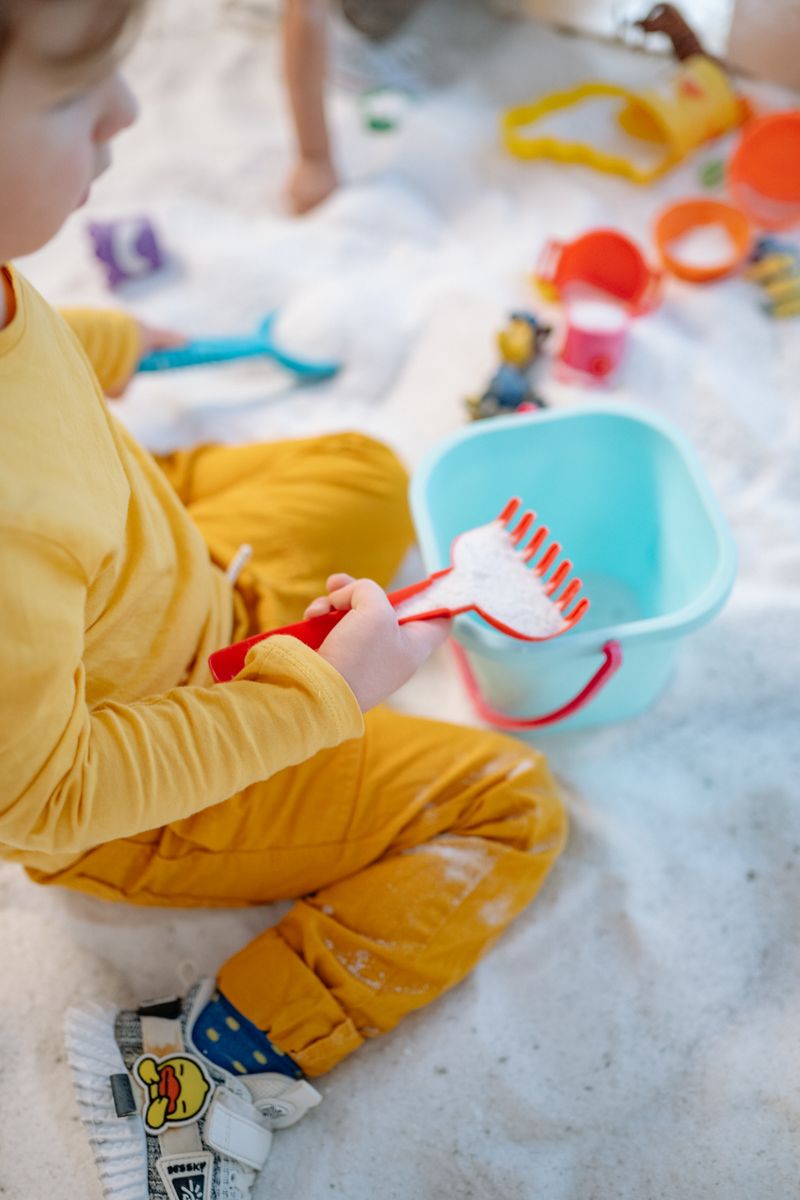
Afternoon or evening can include calming activities such as sensory bins, drawing, deep pressure, reading, or quiet play.
NOTE: Ensure the child feels safe doing these activities and stays regulated. If you observe over-excitement and anxiety, STOP immediately.
The routine does not need to be complicated. It just needs to be simple and predictable for the child.
2. Use Visual Schedules for Predictability
Visual schedules help children understand what comes next. Pictures, symbols, or simple words can reduce anxiety, improve transitions, and support independence. For autistic children, knowing the routine makes the day feel safer and more manageable. Start with 3–4 steps and use it consistently every day. You can gradually add more visuals and build on the routines.
This reduces confusion and can lower anxiety and resistance.
3. Watch for Sensory Triggers
Observe what your child avoids or seeks.
Some children may avoid:
- Loud sounds
- Certain clothing textures
- Bright lights
- Crowded spaces
- Messy play
- Hair washing or nail cutting
Others may seek:
- Jumping
- Spinning
- Crashing
- Deep pressure
- Climbing
- Chewing
When parents understand sensory triggers, they can support the child before meltdowns happen — not just during or after them.
4. Create a Calm-Down Corner
Set up a small, cozy space in your home where your child can retreat when overwhelmed. Include items like:
- A soft blanket or weighted blanket
- Noise-cancelling headphones
- A favourite comfort object
- Dim lighting or fairy lights
- Fidgets or calming sensory toys
Teach your child to use this space proactively, not just as a consequence.
5. Use Heavy Work Activities
Heavy work — activities that involve the muscles and joints — is one of the most effective natural ways to regulate the sensory system. Examples include:
- Carrying a backpack with books
- Pushing a laundry basket
- Pulling a trolley
- Climbing ladders or playground equipment
- Kneading dough
These activities calm the nervous system and can help a child feel more grounded and focused.
6. Prioritise Sleep and Nutrition
Sensory processing is significantly affected by fatigue and hunger. Children who are tired or hungry are far more likely to be dysregulated. Maintain consistent sleep schedules and offer nutritious, predictable meals and snacks.
7. Stay Calm Yourself
Children co-regulate with their caregivers. Your nervous system directly affects theirs. When you are calm and grounded, your child is more likely to settle. Use your own voice, breath, and presence as regulatory tools.
These strategies are not a replacement for professional assessment. If you are concerned about your child's sensory processing, reach out to an Occupational Therapist trained in Sensory Integration for a proper evaluation and individualised plan.
Test Your Understanding
Answer all 3 questions correctly to unlock your free printable tip sheet.
According to the article, what type of activities are best for mornings in a sensory routine?
5 Quick Sensory Regulation Strategies
• Start mornings with movement — jumping, animal walks, or outdoor play
• Use heavy work daily: carrying, pushing, pulling, or climbing
• • •