How AI Supports Children's Speech and Language Development Today
How AI Supports Children's Speech and Language Development Today
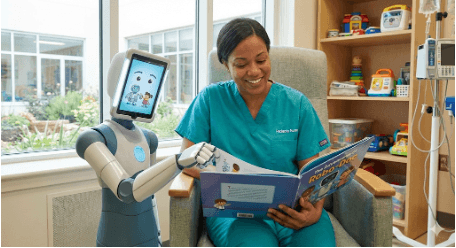
As technology becomes part of everyday life, many parents wonder how it fits into their child's learning — especially in speech and language therapy. Artificial Intelligence (AI) may sound like a very recent development, but its use in communication support has been growing for several decades. Research and clinical practice now show that, when guided by trained speech-language pathologists, AI tools can offer meaningful benefits.
1. Personalised Practice and Feedback
AI-powered apps and platforms can provide children with immediate, individualised feedback on their speech and language practice. Instead of waiting for the next therapy session, children can practise sounds, words, and sentences with real-time guidance.
This is particularly valuable for extending the reach of therapy — so that practice happens at home, not just in the clinic.
2. Supporting Clinicians in Decision-Making
AI plays a positive role in supporting precise clinical decision-making during speech and language assessment and intervention. AI supports clinicians by helping clarify doubts and provide precise, evidence-informed answers during moments of uncertainty in assessment or intervention planning.
By quickly organising clinical information, comparing possible options, and summarising relevant guidelines or research, AI assists clinicians in making more confident and well-reasoned decisions — while the final judgement always remains with the professional.
3. Augmentative and Alternative Communication (AAC)
AI is transforming AAC devices and apps. Modern AAC tools can predict vocabulary, learn a child's unique patterns, and adapt to their communication style over time. This makes communication faster, more natural, and more empowering for children with complex communication needs.
4. AI as a Support, Not a Replacement
AI does not replace speech-language pathologists or human interaction. According to ASHA (2023), technology should be used as a supplement to professional expertise, not a substitute. The most important elements of therapy — empathy, encouragement, observation, and connection — come from trained professionals and caregivers.
Guided by evidence-based practice and professional expertise, AI can help in customising activities, support clear goal setting, provide gentle corrections, and help children navigate challenging moments. When combined with skilled therapy and parental involvement, it becomes a powerful partner in a child's communication journey.
What Parents Should Know
- AI tools work best when chosen and guided by your child's therapist
- No app replaces a proper assessment and individualised therapy plan
- Be cautious of apps that claim to diagnose or treat without professional involvement
- Use AI tools as practice supplements, not primary interventions
Talk to your DCCD therapist about which AI-supported tools might complement your child's current therapy programme.
Test Your Understanding
Answer all 3 questions correctly to unlock your free printable tip sheet.
What is one way AI tools are being used to support children's speech development?
Using Technology Wisely in Your Child's Speech Journey
• AI apps can be great for daily practice — use them to reinforce what your SLP teaches
• Never use an app as a substitute for professional assessment or therapy
• • •