
Joint Attention and its Key Role in Social and Language Development

Joint Attention and its Key Role in Social and Language Development
Have you ever pointed to an airplane in the sky and expected your child to look at it, only to realise they did not look where you pointed? This ability to focus on an object or a situation that another person is attending to is called joint attention, and it plays a critical role in a child's speech and language development.
What is Joint Attention?
Joint attention is the shared focus of two people on the same object or event. It involves three components working together:
- Child (communicator)
- Adult (communication partner)
- Object or event (shared referent)
It typically develops between 9 and 12 months of age and is one of the earliest forms of social communication.
How Does Joint Attention Promote Speech and Language Development?
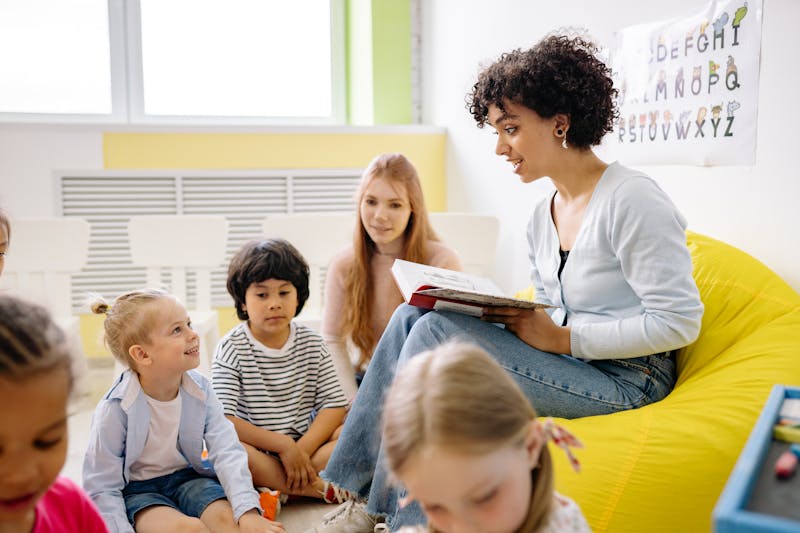
One of the earliest researchers to highlight the importance of joint attention was Jerome Bruner (1983). He explained that children learn language best through shared experiences, not by hearing words in isolation. Language becomes meaningful when it is shared.
When both the child and the caregiver are attending to the same object, the child can clearly connect the word to its meaning. If a child is looking at an apple and the caregiver also focuses on the apple and says, "That's an apple," the child understands much more than just the word — they learn that the object has a name and that it is something you can eat.
Joint attention plays a key role in supporting:
- Vocabulary development
- Understanding of meaning
- Turn-taking skills
- Social communication
- Narrative and conversational skills
How to Improve Joint Attention
Joint attention can be strengthened through consistent, responsive interactions. Here are practical strategies:
Be at the same eye level as the child. This makes it easier for the child to shift attention between you and the object and encourages more natural eye contact.
Progress based on the child's interests. Using toys and activities that the child is genuinely interested in creates natural opportunities for shared focus.
Comment rather than question. Instead of asking "What is that?", simply say "Look — a butterfly!" This reduces pressure and naturally draws the child into shared attention.
Pause and wait. Give your child time to initiate joint attention by pausing and looking at them expectantly. This invites communication rather than demanding it.
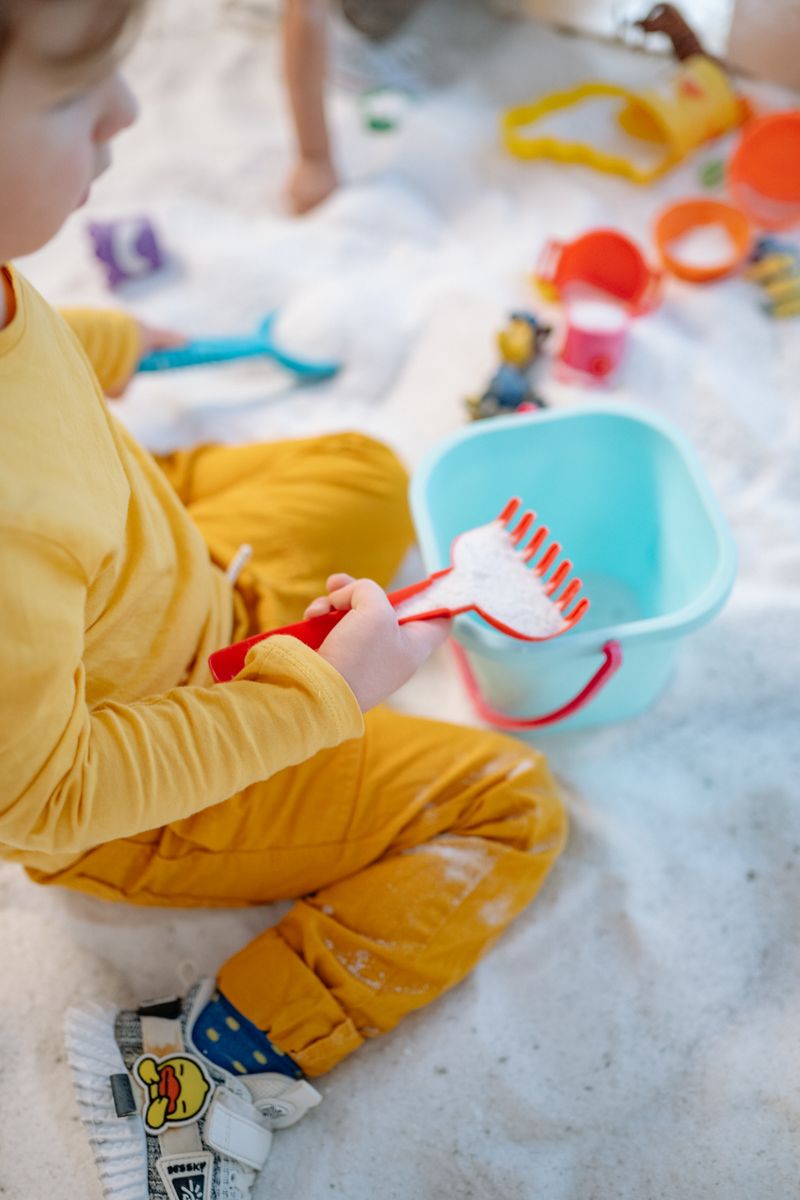
Follow the child's lead. When you join the child in whatever they are already attending to, you build on their existing interest and create a natural joint attention moment.
Use pointing. Pointing to objects while naming them reinforces the connection between gesture, gaze, and language.
When to Seek Help
If your child is not: - Pointing to objects by 12 months - Following your gaze or point by 12–14 months - Showing you objects to share interest by 12 months - Responding when you call their name by 9–12 months
...it is worth speaking with a Speech-Language Pathologist for a developmental assessment.
Early identification of joint attention difficulties allows for timely, effective intervention. Contact our team to schedule an evaluation.
Test Your Understanding
Answer all 3 questions correctly to unlock your free printable tip sheet.
What is 'joint attention'?
Building Joint Attention at Home — 5 Strategies
• Follow your child's lead — play with what they're already interested in
• Comment on what they're looking at: 'Oh, a big red bus!'
• • •